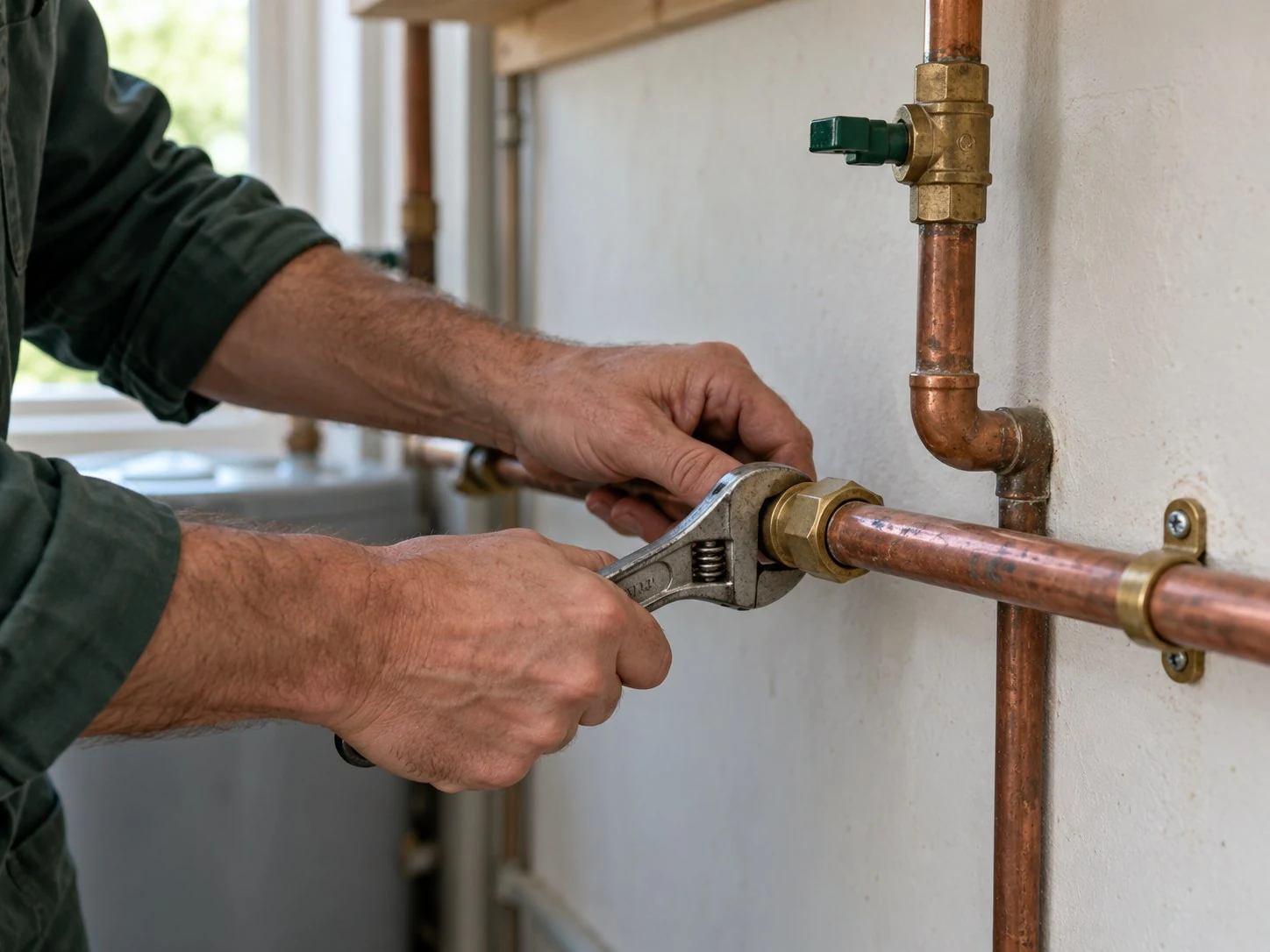
Emergency plumbing is about identifying the immediate risk and taking the right action before a problem spreads. A leaking connection may be isolated until a replacement part is available, while a burst supply pipe may need a repair before water can be restored safely. We look at where the water is coming from, what fixtures or rooms are affected and whether the problem involves supply pipes, wastewater or hot water equipment. The exact response depends on access, the condition of the installation and the urgency of the fault. Our focus is on practical communication, sensible repairs and clear advice about any further work.
Burst Water Pipes
A split or broken water pipe can release a considerable amount of water, especially when the supply remains pressurised. If possible, isolate the water at the nearest appropriate valve or the main supply. Move belongings away from the affected area if it is safe. We assess the damaged section, accessibility and pipe material before determining the repair. If surrounding building materials have been affected, we explain the plumbing work separately from any drying or building repairs that may be needed.
Major Water Leaks
Not every serious leak involves a completely broken pipe. Loose connections, damaged flexible hoses, failed seals or worn plumbing components can also release water into cupboards, walls and floors. We investigate the likely source rather than assuming the most visible damp patch identifies the exact fault. Once the source is found, we discuss repair or replacement options. Early attention can help reduce water exposure and the risk of additional property damage.
Overflowing Toilets
An overflowing toilet may be caused by a local blockage, restricted wastewater line or faulty flushing mechanism. Stop flushing the toilet and keep people away from contaminated water. If the overflow appears linked to other fixtures, avoid using nearby sinks, showers or toilets until the issue has been assessed. We work through the symptoms to determine whether the problem is inside the fixture or further along the drainage system.
Blocked Drains and Wastewater Backups
Wastewater backing up through a gully trap, floor drain or plumbing fixture can create a hygiene risk as well as property damage. Keep children and pets clear of affected areas and avoid using plumbing fixtures connected to the blocked drain. Depending on the situation, the work may involve clearing an obstruction or investigating why the blockage keeps returning. We explain when further drainage work may be necessary rather than treating repeated backups as unrelated events.
Sudden Hot Water Failures
A sudden loss of hot water can be especially inconvenient for households and businesses. If there is water leaking from the cylinder or hot water pipework, the situation may need prompt assessment. We consider the symptoms, water supply, visible connections and type of system. Electrical or gas faults must be dealt with by appropriately authorised tradespeople. We explain the likely next step and whether a repair or further specialist assessment is required.
Temporary Isolation and Follow-Up Repairs
Sometimes the safest immediate action is to isolate a faulty fixture or damaged pipe until a suitable part or permanent repair can be arranged. This can be more sensible than attempting an unsuitable quick fix. We explain what is safe to use, what should remain turned off and what work is still needed. Clear follow-up information matters, especially when the property is a rental or the person arranging the repair is not the occupant.