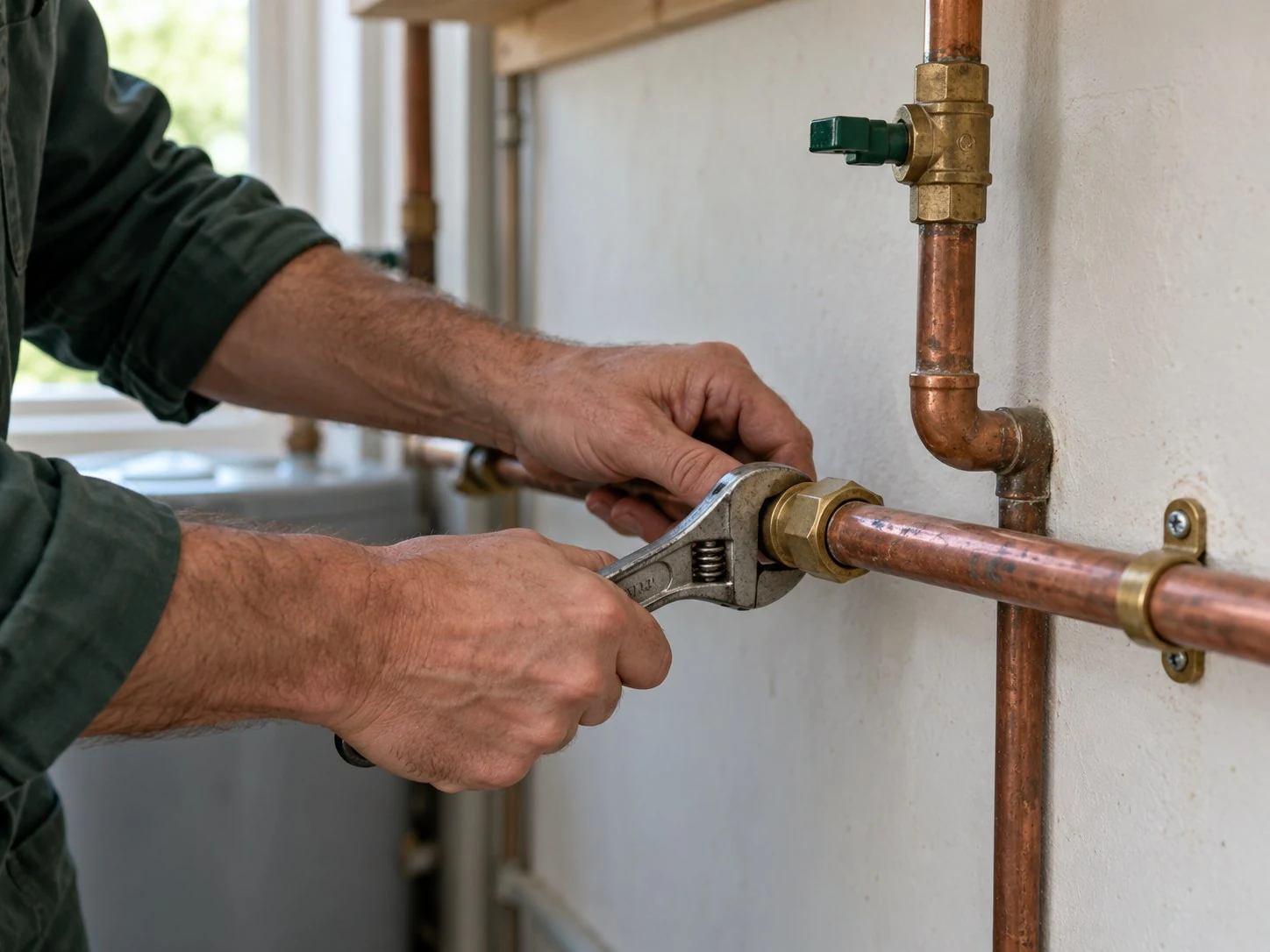
Hot water faults can develop gradually or appear without warning. Changes in temperature, unusual noises, reduced flow and moisture around the unit may indicate that something needs attention. The correct response depends on whether the cause is related to water supply, valves, pipework, heating components or the system itself. We assess the plumbing aspects of the installation and explain when appropriately authorised electrical or gas tradespeople are required. If the existing unit is reaching the end of its practical life, replacement may be worth considering. System size, household demand, energy source, location and installation requirements should all be reviewed before making that decision.
No Hot Water
A complete loss of hot water is frustrating, but it does not always mean the entire unit needs replacing. Possible causes vary by system and can involve electrical supply, gas supply, heating components, controls or plumbing faults. We discuss the symptoms and assess the relevant plumbing where appropriate. Electrical and gas faults require the correct authorised tradesperson. Avoid opening electrical covers or attempting gas repairs yourself. We help establish the next step rather than assuming a replacement is necessary.
Leaking Hot Water Cylinders
Water around a cylinder may come from a pipe connection, valve, fitting or the cylinder body itself. These situations can require very different repairs. A leak from the cylinder body may indicate replacement is needed, while an external connection may be repairable. We assess the source where accessible and discuss the options. If water is escaping, protect the surrounding area and follow safe isolation instructions appropriate to the system. Do not interfere with electrical or gas components.
Temperature and Pressure Problems
Water that is too cool, unexpectedly hot or inconsistent can create inconvenience and potential safety concerns. Poor flow may also affect how the system performs at showers and taps. We consider whether the problem occurs throughout the property or only at certain outlets. Valve condition, plumbing arrangements and system settings may be relevant. Hot water temperatures and controls must meet applicable safety requirements, so adjustments should be handled by the appropriate tradesperson rather than guessed at.
Hot Water Cylinder Replacement
Replacing a cylinder involves more than choosing a unit that fits in the cupboard. Storage capacity, system pressure, pipe connections, installation space, drainage and current requirements all matter. We discuss the property's hot water needs and any changes needed to the plumbing. The selected unit must be suitable for its intended use and installed with the required components. Where electrical work is involved, it must be carried out by an appropriately authorised person.
Gas Hot Water Systems
Gas hot water systems can provide a different arrangement from electric storage cylinders, but installation and servicing involve specific safety requirements. Gasfitting must be carried out by an appropriately authorised gasfitter, with required testing and documentation. We can discuss the plumbing requirements and help establish the suitable pathway for assessment or installation. If you smell gas or suspect a leak, leave the area and follow emergency gas safety guidance rather than attempting repairs.
Hot Water System Planning
A new hot water system should suit the people using it and the property where it will be installed. Household size, simultaneous hot water use, available energy sources and existing pipework all influence the choice. A larger system is not automatically the best option, and changing energy sources can involve additional work. We help identify plumbing considerations so customers can compare practical solutions and understand the installation requirements before committing to a replacement.